
Hearth Depot · Interior Design Journal
The Living Room After Television
Why the fireplace is reclaiming its place as the emotional and architectural focal point of the modern living room.
For decades, the television decided how the living room would look. Sofas faced it. Chairs were angled toward it. Cabinets were selected to hold it, and the largest uninterrupted wall was often reserved for a black screen.
The living room was described as the place where the family gathered, yet its layout was frequently designed around watching rather than connecting. The television became the visual center even during the many hours when it was switched off.
Today, that arrangement is being reconsidered. People arrive home after long days already surrounded by information, notifications, videos and screens. They may still watch selected programs, but the television no longer needs to control the entire room.
In its place, the fireplace is returning as a quieter, warmer and more beautiful focal point—one that supports relaxation whether people are talking, reading, scrolling on their phones or simply resting on a soft sofa.
When Television Became the Center of the Living Room
The television once offered something genuinely communal. Families gathered at a specific hour to watch the same program together. A single screen created a shared event, so it was logical for furniture to face it.
Over time, the screen grew larger and the room became increasingly organized around it. The television was placed above the fireplace, built into a media wall or allowed to occupy the most prominent position in the room.
But the way people consume entertainment has changed. Everyone can now watch different content on a phone, tablet or laptop. Television is still part of many homes, but it is no longer the only source of entertainment or the automatic center of family life.
The question is no longer “Where should the television go?” but “How do we want this room to feel?”
Why the Living Room Is Changing
Contemporary life is visually demanding. Work happens on screens. Messages arrive throughout the day. News, advertising and short videos compete continuously for attention.
When people come home, many do not want another device to dominate the room. They want comfort, softness and a sense of separation from the outside world. They may lie on the sofa and scroll for a while, but they also want the surrounding space to feel calm when the phone is put down.
This is one reason current interior design is moving toward living rooms that feel less like media rooms and more like personal retreats. The emphasis is on deep seating, tactile fabrics, layered lighting, art, natural materials and a focal point that contributes to the room even when nobody is actively using it.
- Less visual noise
- More comfortable seating
- Warmer, layered lighting
- Furniture arranged for conversation
- Art and objects with personal meaning
- A fireplace instead of a dominant black screen
The Fireplace as the New Living Room Focal Point
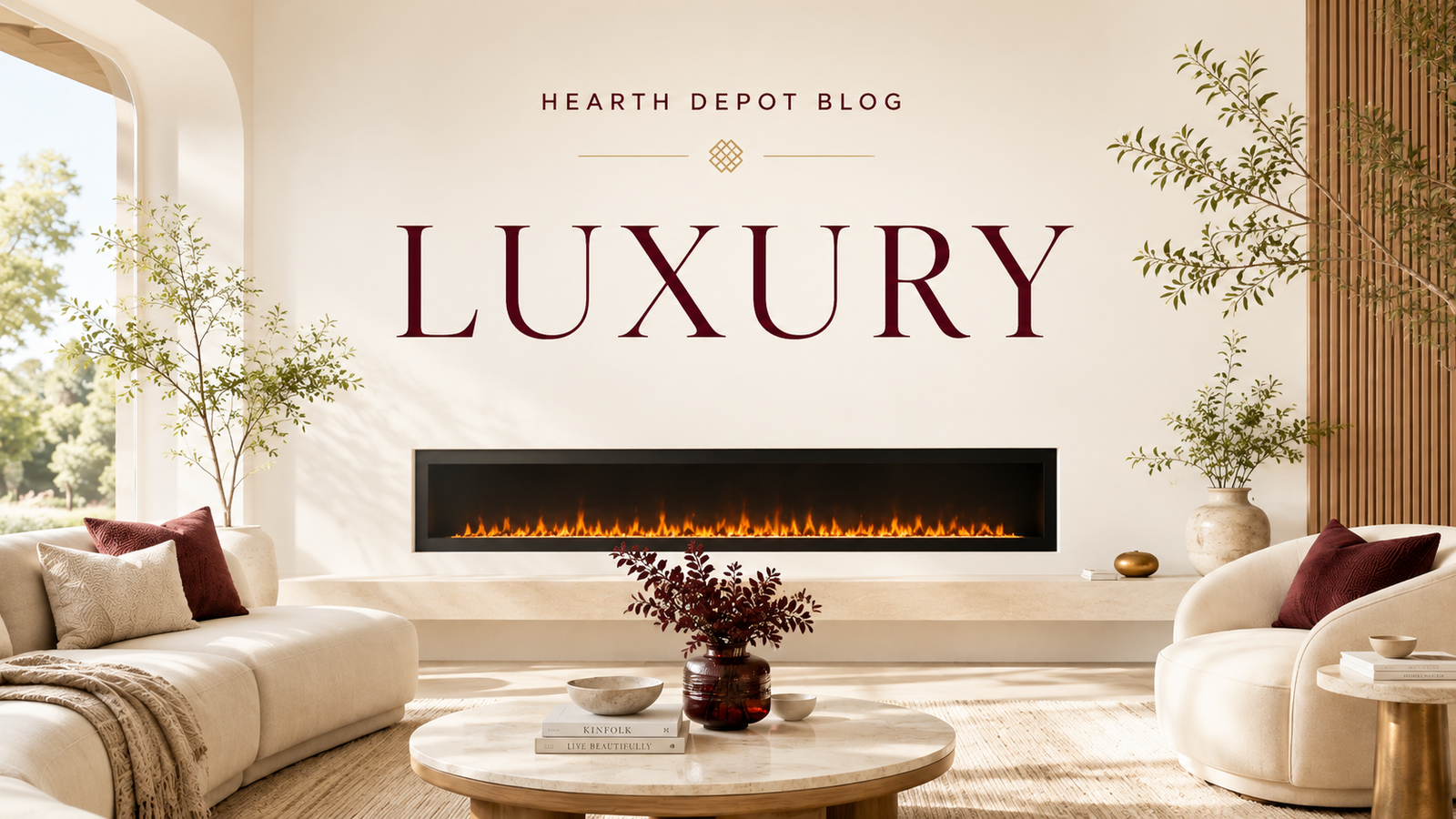
A focal point gives the eye somewhere to settle and helps every other element in the room feel intentional. Unlike a television, a fireplace remains visually attractive whether it is providing heat or simply displaying a flame effect.
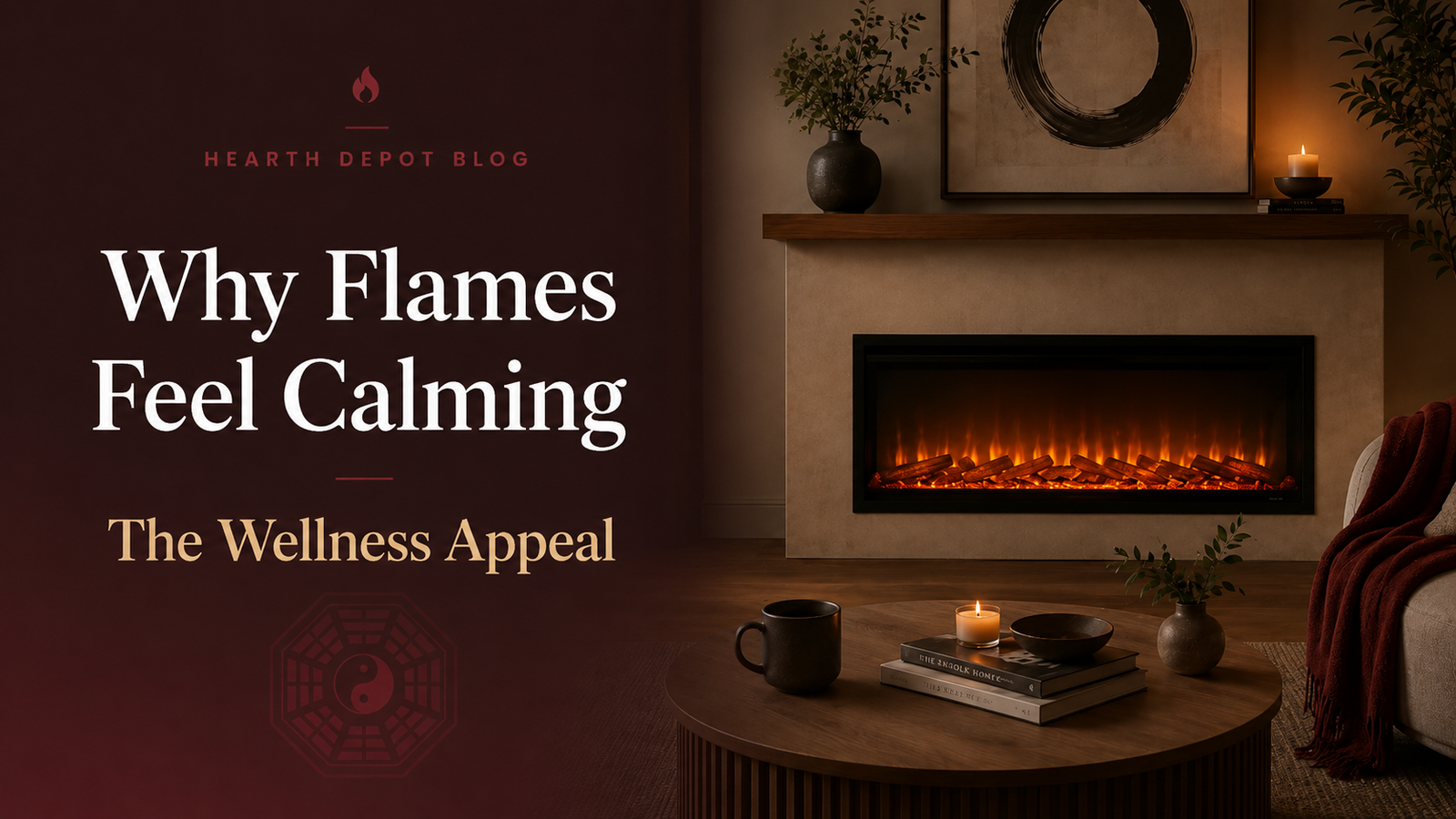
The movement of fire brings depth to an otherwise static wall. It softens hard architectural lines and adds a sense of life to stone, plaster, wood paneling or built-in cabinetry.
Most importantly, a fireplace changes the emotional direction of the room. Instead of asking everyone to face a screen, it creates a warm center around which people can rest in different ways.
Why Electric Fireplaces Fit Modern Life
Electric fireplaces are especially suited to this new idea of the living room because they provide visual atmosphere with less installation complexity than a traditional masonry fireplace.
Depending on the model, an electric fireplace can be recessed into a feature wall, built into cabinetry, mounted on a wall or installed as an insert. Many models allow the flame effect to operate independently from the heater, so the fireplace can remain part of the room throughout the year.
Atmosphere Without a Full Renovation
A linear electric fireplace can transform a plain wall into an architectural feature without requiring a chimney, gas line or wood storage.
A Flame for Every Season
Flame-only modes allow homeowners to enjoy the visual effect on mild evenings when additional heat is unnecessary.
Made for Contemporary Interiors
Slim proportions and clean edges work naturally with plaster walls, stone slabs, fluted wood, minimal shelving and modern cabinetry.
Easy to Personalize
Depending on the model, homeowners can select logs, crystals, ember beds, flame colors and brightness levels to suit the room.
Dimplex electric fireplaces are well suited to both traditional and contemporary rooms, while the Touchstone Sideline Elite Seriesoffers the wide proportions and customizable flames often selected for modern feature walls.
The Appeal of a See-Through Fireplace
A see-through fireplace takes the idea of the focal point one step further. Instead of belonging to only one wall or one seating area, it can visually connect two spaces.
In an open-plan home, a double-sided or see-through fireplace can define the boundary between the living room and dining room without closing either space. It can also divide a living area from a hallway, home office or intimate reading corner.
The flame remains visible from more than one direction, creating movement and warmth throughout the interior. This makes the fireplace feel like part of the architecture rather than an appliance added afterward.
- Living room and dining room
- Living room and entrance hall
- Bedroom and private sitting area
- Open-plan kitchen and lounge
- Indoor room and covered outdoor area
- A central architectural room divider
Fireplace Plus Art—or Fireplace Plus Mirror
When the television is removed from the main wall, the space above the fireplace becomes available for something more expressive.
Current editorial interiors often allow the fireplace to stand on its own, then complete the composition with one confident object rather than a busy media installation.
Fireplace + Artwork
A large painting gives the room personality and creates a layered focal point. Abstract art works beautifully above a clean linear fireplace, while landscapes, portraits and vintage pieces can soften a more traditional surround.
Choose artwork with enough scale to relate to the fireplace below it. One substantial piece usually looks calmer and more luxurious than several small items competing for attention.
Fireplace + Mirror
A mirror reflects natural light and can make a smaller or darker living room feel more open. It also adds quiet elegance without introducing another strong visual subject.
A simple rectangular mirror suits minimalist rooms, while an arched, aged-brass or decorative frame can connect the fireplace with classic, transitional or modern-retro interiors.
Designer principle: let the fireplace, artwork or mirror form one balanced composition. The wall should feel curated, not filled simply because space is available.
How to Arrange a Living Room Around the Fireplace
Once the fireplace becomes the focal point, the furniture can be arranged for comfort and conversation rather than for a single viewing angle.
- Face the Main Sofa Toward the Fireplace This creates a clear visual relationship and works especially well in smaller rooms or rooms with a wide linear fireplace.
- Place Two Sofas Opposite Each Other Position the fireplace at the end of the seating group. This creates a balanced, editorial layout that supports conversation while keeping the flame visible to everyone.
- Use an L-Shaped Sofa An L-shaped sofa can frame the fireplace without turning every seat toward the same point. Add a lounge chair to complete the arrangement.
- Create a Softer Seating Circle Combine a sofa, two armchairs and an ottoman around a generous rug. Let the fireplace anchor the composition rather than dictate a rigid line.
- Protect the Sightline Keep tall furniture away from the direct view of the flames, particularly when the fireplace is visible from the kitchen or dining area.
What If You Still Want a Television?
Choosing the fireplace as the focal point does not mean the television must disappear completely. It simply means the screen no longer receives the most important architectural position by default.
The television can be placed on an adjacent wall, built into darker cabinetry or hidden behind sliding panels. Art-display televisions can reduce the black-screen effect when they are not in use.
- Position the TV on a secondary wall
- Integrate it into side cabinetry
- Use sliding or pocket doors to conceal it
- Select a smaller screen for occasional viewing
- Use an art-display mode when switched off
- Keep the fireplace as the room’s main axis
This approach gives homeowners both possibilities: entertainment when they choose it and a calmer, more attractive room during the rest of the day.
Choosing the Right Fireplace for the Focal Wall
The best model depends on the proportions of the room, the architectural style and the way the space will be used.
Linear Electric Fireplace
Best for minimal, contemporary and media-free feature walls. Its horizontal proportions pair naturally with long sofas, low cabinetry and large artwork.
Built-In Electric Firebox
A strong choice for traditional mantels, transitional rooms and custom architectural surrounds that need more depth and a classic hearth feeling.
See-Through Fireplace
Ideal for open-plan homes, room dividers and interiors where the flame should be enjoyed from multiple seating or circulation areas.
Direct Vent Gas Fireplace
Suitable for homeowners seeking a gas flame and substantial heat output, with installation planned according to venting and manufacturer requirements.
Consider the width of the wall, viewing distance, flame realism, preferred media, heat requirements and installation method before selecting a model. A fireplace should look properly proportioned even when viewed from the furthest part of the room.
Why Shop at Hearth Depot?
Hearth Depot offers a carefully selected range of electric fireplaces, built-in fireboxes, linear models, see-through fireplaces and direct vent gas fireplaces from established manufacturers.
More importantly, customers can speak with real people rather than relying only on an automated recommendation. The Hearth Depot team can help compare dimensions, installation types, flame styles and heating expectations so the selected fireplace works with the room—not only with a product photograph.
The modern living room is not designed around what demands attention. It is designed around what makes us want to stay.
Frequently Asked Questions
Can a fireplace be the main focal point without a television?
Yes. A fireplace naturally provides movement, light and architectural interest. Artwork, a mirror, stone, plaster or wood paneling can complete the focal wall without a television.
Does a modern living room need a TV?
No. Some households prefer a TV-free living room, while others place the television on a secondary wall or conceal it inside cabinetry. The layout should reflect how the room is actually used.
What should be placed above an electric fireplace?
A large artwork or mirror is a popular choice. The correct size and placement depend on the fireplace dimensions, wall height and manufacturer clearance requirements.
Is a see-through fireplace suitable for an open-plan room?
A see-through fireplace can work beautifully as a room divider or shared focal point between living, dining and kitchen areas. Installation and clearances must follow the specifications of the selected model.
Can an electric fireplace be used without heat?
Many electric fireplaces offer a flame-only setting, allowing the visual effect to operate independently from the heater. Features vary, so check the specifications of the exact model.
Where can I get help choosing the right fireplace?
Hearth Depot provides real human support to help customers compare fireplace dimensions, installation types, flame styles and heating needs before ordering online.